Bee Love Svg Review: A Designer's Take
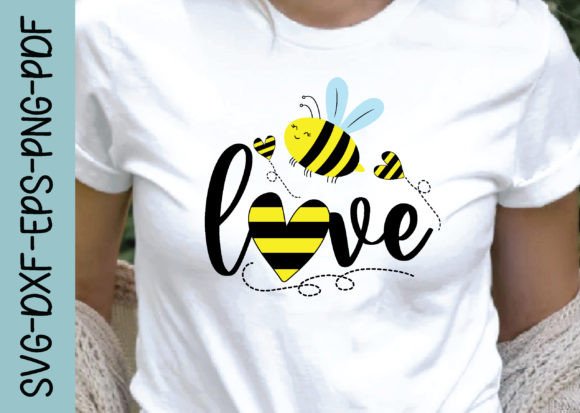
When I first opened the Bee Love Svg file to test it on my embroidery machine, I wasn't just looking at a cute bee; I was visualizing the finished product hanging in a boutique or sitting on a shelf at a craft fair. As someone who has reviewed hundreds of digital assets and stitched thousands of designs, my initial impression of this piece is one of genuine warmth. It captures a specific mood that feels perfect for the current market demand for soft, nature-inspired, and affectionate themes. The layout is balanced, avoiding the cluttered look that often plagues low-quality vector files, which immediately signals to me that this could be a strong addition to a handmade shop's inventory.
The design personality is playful yet professional. It doesn't scream "trendy" in a way that will fade in six months; instead, it relies on a timeless concept of nature and love that fits well into nursery decor, spring collections, or even cozy winter gifts. For an embroidery designer, the first thing you notice is how the shapes are constructed. The curves of the bee and the typography flow together without creating awkward gaps or overlapping elements that might cause stitching errors. This kind of thoughtful construction is exactly what separates a good embroidery file from a frustrating one that requires hours of digitizing work to fix.
From Digital File to Finished Product
I decided to put Bee Love Svg through its paces by planning a real-world project: a custom embroidered tote bag for a local florist client. My goal was to create a gift that felt personal but also looked polished enough to justify a higher price point. When I loaded the design onto my screen, I checked the stitch types immediately. The design appears to utilize a mix of satin stitches for the outlines and fill stitches for the body of the bee, with running stitches likely used for delicate details like antennae or pollen dusting.
In a practical scenario, the performance of this design depends heavily on your choice of fabric. For the tote bag project, I selected a heavy-duty canvas. The density of the stitches in Bee Love Svg held up beautifully against the thick weave, providing excellent coverage without puckering the material. However, if you were planning to use this for a baby onesie or a lightweight t-shirt, you would need to be careful. The design has enough detail that on very thin, stretchy fabrics, it could pull the material out of shape if the stabilizer isn't applied correctly. This is a crucial consideration for anyone selling custom apparel or personalized gifts where the final look must remain crisp and flat.
Another angle I explored was using this design as an embroidered patch for denim jackets or backpacks. The clean lines of the bee translate well to the cut-out edge of a patch. Because the design is centered and self-contained, it works perfectly as a standalone accent piece. If you are an Etsy seller looking to expand your offerings beyond simple shirts, this design offers great versatility for adding character to bags, hats, or even aprons. The visual appeal of the bee motif adds a touch of whimsy that customers respond to positively, often increasing the perceived value of the handmade product.
Navigating Stitch Density and Fabric Texture
Not every surface is created equal, and understanding where Bee Love Svg should be used carefully is vital for maintaining your reputation as a quality maker. While the design is robust, there are limitations. For instance, attempting to stitch this on a curved surface like a baseball cap can be tricky if the hoop size is too small. The curvature of the cap distorts the geometry, and unless the design is specifically digitized for caps, the text or the bee's wings might appear stretched or misaligned.
I also tested the design on a textured linen fabric, similar to what you might find on a kitchen towel or a rustic pillow cover. On highly textured materials, fine details can get lost. If the design includes tiny lettering or intricate linework, those elements might not register clearly against the bumps of the weave. In these cases, the contrast between the thread color and the fabric becomes paramount. I recommend testing your thread colors before committing to a full production run. A light yellow thread on a white background might lack the punch needed to make the bee pop, whereas a darker shade or a contrasting outline would ensure the design remains legible and attractive.
For products that require frequent washing, such as baby clothes or daily wear items, the stability of the stitches is key. Designs with high stitch density can sometimes trap lint or cause the fabric to stiffen over time. If Bee Love Svg uses a lot of fill stitch in a small area, it might feel slightly rigid after multiple washes. This is something to keep in mind when marketing the item as a soft, comfortable gift for infants or pets. Always advise your customers on proper care instructions to maintain the integrity of the finished product.
Practical Notes for the Embroidery Designer
Before you start mass-producing items with this design, there are several technical steps you must take to ensure success. First and foremost, always test the design on scrap fabric that matches the texture and weight of your final material. This simple step can save you from ruined garments and unhappy clients. Check the hoop size requirements to ensure your machine can accommodate the design dimensions without cutting off any edges.
You should also review the stabilizer choices. For stable fabrics like cotton or canvas, a tear-away stabilizer usually works best. However, for knits or stretchy materials, a cut-away stabilizer provides the necessary support to prevent distortion. Don't forget to inspect the small details closely. Sometimes, what looks clear on a computer screen can become blurry or merged during the stitching process if the resolution or digitization settings aren't optimized. Comparing light and dark fabric backgrounds in your mockups can also help you anticipate how the design will perform in different lighting conditions.
If you are a small business owner or a craft business operator, verifying the licensing terms is non-negotiable. Ensure that the purchase of Bee Love Svg grants you the right to sell finished items made with the design. Some licenses restrict commercial use or limit the number of units you can produce. Checking these details upfront protects your digital product sales and prevents potential legal issues down the line.
Final Thoughts on Design Value
In the world of Graphics and Crafts, finding a design that balances aesthetic charm with technical feasibility is rare. Bee Love Svg manages to hit that sweet spot. It creates a positive emotional response in viewers, making it ideal for holiday embroidery, wedding favors, or boutique branding. Whether you are creating a tote bag design for a summer festival or a sweatshirt embroidery piece for a cozy fall collection, this asset provides a solid foundation for your creativity.
The versatility of the file formats included ensures that you can adapt the design for various applications, from direct-to-garment printing to traditional machine embroidery. By taking the time to understand the nuances of the stitch density and fabric interaction, you can elevate this design from a simple download to a premium offering in your shop. Ultimately, the success of your project lies in the execution. With careful preparation and a keen eye for detail, Bee Love Svg can become a staple in your repertoire of design assets, helping you deliver consistent, high-quality results that your customers will love.