Camping Calories Don t Count Svg Review
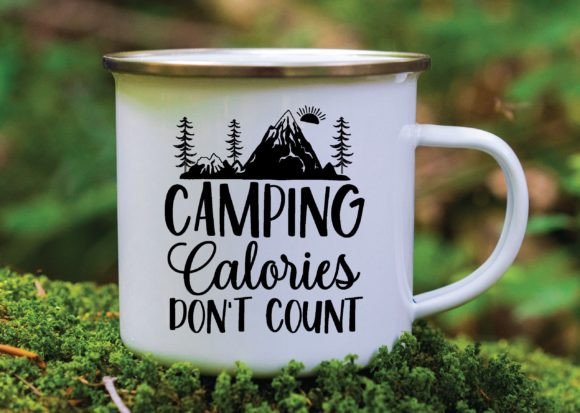
As someone who has spent years turning digital files into tangible, stitched treasures for clients and craft fairs, I approach every new download with a mix of excitement and skepticism. You want that perfect balance between a cute concept and technical viability. When I first opened the Camping Calories Don t Count Svg, my initial reaction was positive. It captures that specific, laid-back outdoor vibe without feeling cluttered or overly complex. The design immediately suggests itself as a staple for any maker focusing on lifestyle apparel, gift items, or boutique branding. It feels less like a generic clipart and more like a genuine piece of design assets ready to be brought to life.
The core appeal of this file lies in its versatility within the Crafts and Graphics categories. Unlike some elaborate machine embroidery designs that require hours of editing, this one seems built for efficiency. Whether you are an Etsy seller looking to boost your holiday listings or a hobbyist preparing a personalized gift for a friend's camping trip, the visual personality here is spot-on. It strikes a chord with anyone who loves the outdoors but also enjoys a good meal. The layout allows it to sit comfortably on various surfaces, from the chest of a sweatshirt to the side panel of a tote bag.
Real-World Application: From File to Finished Product
To truly understand how Camping Calories Don t Count Svg performs, I imagine it being used in a real scenario. Let's say you are preparing a custom embroidered tote bag for a summer craft fair. This design would work beautifully as the focal point on a canvas bag. The text is likely legible enough to read clearly, which is crucial for customer engagement. However, if you were to take this same file and attempt to stitch it onto a baby onesie, the context changes slightly. For baby items, you need to ensure the design isn't too stiff or large. A smaller hoop size might be necessary here to keep the fabric soft against sensitive skin.
I also see this design finding a home on kitchen towels or aprons for the grill master in the family. The theme fits perfectly in a cabin setting or a backyard BBQ area. When applied to a pillow cover, it adds a touch of humor and warmth to nursery decor or a guest room. The key here is understanding that while the digital file is high resolution, the final look depends entirely on your execution. If you use the wrong thread colors, the charm of the embroidery project can be lost. A bright, contrasting thread choice will make the text pop, whereas a monochromatic scheme might feel flat unless the texture of the fabric does the heavy lifting.
Navigating Technical Challenges and Fabric Choices
Not every surface is created equal, and knowing where to exercise caution is what separates a pro from an amateur. While Camping Calories Don t Count Svg is robust, there are areas where you should proceed carefully. Small hoop sizes present a significant challenge; if the design includes intricate details or tiny lettering, cramming it into a 4x4 inch hoop can lead to registration issues or pucker marks. Always check the recommended hoop size before committing to a production run.
Fabric texture plays a massive role in the final outcome. On smooth, tightly woven cotton, the stitches will lay flat and crisp. However, on textured fabrics like boucle or heavy fleece, the design might get lost in the weave. Thin fabrics require extra care; without proper stabilizer, the tension could cause the material to rip or distort around the stitching. Similarly, stretchy fabrics like jersey knits demand a stabilizer that provides enough support to prevent the garment from warping during wear. Dark fabrics are another consideration. If the design relies on light threads, ensure you have enough coverage to avoid showing the dark background through the stitches, which can ruin the visual appeal.
Curved surfaces, such as caps or hats, add another layer of complexity. While many modern machines handle curved hooping well, dense stitch areas can sometimes create bulk that makes the hat uncomfortable to wear. If you plan to use this as an embroidered patch, the edges need to be clean to allow for easy application via iron-on or sewing. Layered garments, like hoodies over t-shirts, can hide the design or make the stitching uneven if the layers shift. Testing on scrap fabric first is non-negotiable here.
Visual Appeal and Brand Consistency
The success of a handmade product often hinges on professional presentation. A well-executed machine embroidery design builds trust with buyers. If the Camping Calories Don t Count Svg is stitched with consistent density and clean edges, it elevates the perceived value of the item. Customers are willing to pay more for a product that looks polished and durable. Conversely, skipped stitches or loose threads can signal poor quality, regardless of how cute the design is.
This design fits naturally into a brand identity focused on outdoor living, camping gear, or rustic aesthetics. It reinforces a message of relaxation and enjoyment. For commercial embroidery projects, having a design that resonates with a specific niche helps in marketing. Imagine listing this on Etsy as part of a "Cabin Life" collection. The thematic consistency across different products—tote bags, mugs, stickers, and apparel—creates a cohesive shop experience. The design acts as a recognizable symbol that customers can associate with your brand's fun, adventurous spirit.
Essential Designer Notes for Success
Before you hit the start button on your machine, there are several practical steps to ensure your finished product meets your standards. First, always test the design on scrap fabric using the same thread colors and stabilizer you plan to use for the final item. This simple step saves time and materials. Check the stitch density; if the fill stitch is too dense, it may become stiff and uncomfortable, especially on wearable items like sweatshirts or baby clothes.
Review the stitch types included in the file. A combination of satin stitch for outlines and running stitch for details often yields the best results for text-heavy designs. Ensure the stitch density is appropriate for the fabric weight. Heavy fabrics can handle denser stitching, while light fabrics need lighter touches to avoid puckering. Confirm whether the design works for both personal and commercial projects by checking the license terms provided with the download. Many designers offer different tiers of usage rights, so verifying this before selling finished items is critical.
If you are creating mockups for your shop, try viewing the design in black and white to ensure the contrast holds up without color distraction. Compare how it looks on light versus dark backgrounds to choose the most effective color combinations. Using the correct stabilizer is paramount; cut-away stabilizers generally offer better durability for frequent washing, while tear-away might suffice for lightweight, temporary projects. Finally, inspect small details closely. Tiny letters or fine lines can disappear if the needle gauge is too large or the thread is too thick.
In conclusion, the Camping Calories Don t Count Svg offers a solid foundation for a wide range of creative endeavors. Its strength lies in its relatable theme and adaptable layout. By paying attention to fabric selection, stabilization, and testing, you can transform this digital file into a high-quality, marketable product. Whether you are making a quick gift or building a line of boutique merchandise, this design has the potential to shine when handled with the right technical care.