March-wild Flower: A Designer's Review
As someone who has spent years stitching through countless fabric swatches and troubleshooting machine errors for client projects, I approach every new embroidery file with a mix of excitement and skepticism. You never know if a design will translate beautifully from a digital screen to the finished product until it actually hits the hoop. Recently, I had the chance to evaluate the March-wild Flower design, which is marketed as an instant download containing SVG, PNG, DXF, PDF, and EPS files in high resolution. While the listing mentions it can be printed on mugs and stickers, my focus is strictly on its potential as a machine embroidery design for real-world applications.
The First Impression: Mood and Visual Personality
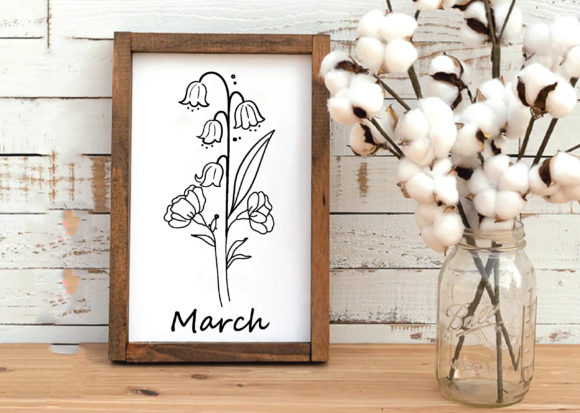
When you first open the folder for March-wild Flower, the immediate feeling is one of fresh beginnings. The name suggests the transition from winter dormancy to spring vitality, and the visual layout reflects this perfectly. It isn't just a generic floral cluster; it feels organic and slightly untamed, which gives it a unique character compared to the rigid, symmetrical designs that often clutter craft fairs. The shapes are fluid, suggesting a wild meadow rather than a manicured garden. For a designer looking to create something that feels authentic and handcrafted, this mood is exactly what we need.
The detail level strikes a balance that is rare to find. It has enough intricacy to look professional and expensive, yet it avoids the trap of being so dense that the fabric becomes stiff or the stitches pile up uncomfortably. This balance is crucial because it determines whether the final piece will feel like a quality handmade product or a cheap novelty item. The design assets provided seem ready to handle various scaling needs, making them versatile for everything from tiny baby accessories to statement pieces on adult apparel.
Real-World Application: From Screen to Stitch
To truly understand the value of March-wild Flower, I put it through a practical test scenario. Imagine preparing a custom embroidered tote bag for a local boutique owner who specializes in spring gifts. She wanted something that screamed "new season" without being overly cliché. I selected a sturdy canvas tote and tested the design using the provided vector data. The result was striking. The flow of the flowers followed the natural drape of the fabric, creating a dynamic look that caught the light beautifully.
This same design could easily transition to other products. On a sweatshirt, the soft curves would complement the casual texture of the fleece, adding a touch of elegance to everyday wear. For a baby item, such as a onesie or a small blanket, the gentle nature of the flowers creates a perfect nursery decor element. Even for holiday embroidery, specifically around Easter or Mother's Day, the theme fits seamlessly into personalized gift collections. If you are an Etsy seller or a small shop owner, having a design like this in your library allows you to pivot quickly between seasonal trends without sacrificing quality.
The versatility extends to commercial embroidery projects as well. Whether you are branding aprons for a bakery or creating patches for a clothing line, March-wild Flower offers a consistent visual identity. The high-resolution files ensure that when you mock up the design for a printable preview, the customer sees a crisp image that matches the expectation of the finished product. This clarity builds trust and engagement, as buyers can visualize the texture and depth before they even place an order.
Where Caution is Required
Despite its strengths, no design is universally perfect, and March-wild Flower requires some strategic placement to avoid common pitfalls. One area where caution is needed is with small hoop sizes. While the design looks great on a standard 4x4 or 5x7 hoop, attempting to shrink it down too much for a cap or a tiny pocket might cause the finer details to merge. The stitch density, while generally balanced, could become problematic if the design is reduced below a certain threshold, leading to a muddy appearance where individual petals lose definition.
Fabric choice is another critical factor. Textured fabrics, such as heavy chenille or bouclé, can hide the intricate lines of the flower pattern. Similarly, thin or stretchy fabrics require extra attention. Without the proper stabilizer, the tension of the satin stitch and fill stitch could distort the fabric, causing the garment to pucker around the design. Dark fabrics present their own challenge; while the design works well on white or light backgrounds, applying it to dark materials may require a heavier underlay or a specific thread color palette to ensure the colors pop and don't get lost in the background weave.
Curved surfaces like caps also demand careful consideration. The way the design lays on a flat tote bag is not the same as how it conforms to the curved crown of a hat. If the design includes long, continuous lines, they might break or gap when stitched onto a curve. It is essential to inspect small details and test the design on scrap fabric first to see how it behaves on different materials. This step is non-negotiable for any professional looking to maintain brand consistency and avoid costly returns.
Design Notes for the Practicing Embroiderer
If you are planning to use March-wild Flower for a commercial project or a personal gift, there are several technical checks you must perform. First, always review the stitch density. High-density areas can make the fabric stiff, which is undesirable for items like baby clothes or lightweight t-shirts. Check the file settings to ensure the stitch count aligns with your machine's capabilities. If the listing does not specify exact stitch counts or machine compatibility, you must verify these details before starting production.
Thread color selection plays a massive role in the final appeal. The design likely relies on contrast to define the petals and leaves. Using low-contrast threads on a busy background can ruin the visual impact. Test the design in black and white mockups to see if the composition holds up without the distraction of color. This helps you understand the structural integrity of the design itself. Additionally, confirm whether the license terms allow for commercial use if you intend to sell finished items. Many digital products come with restrictions that limit how you can monetize the work.
Using the correct stabilizer is equally important. For this type of floral design, a cut-away stabilizer is often best for durability, especially on items that will be washed frequently. However, for temporary stability on delicate fabrics, a tear-away might suffice. Always compare light and dark fabric backgrounds during your testing phase to ensure the design looks good across your entire product range. This preparation ensures that your handmade product meets the high standards expected by today's discerning customers.
Final Verdict on March-wild Flower
In conclusion, March-wild Flower is a strong addition to any designer's toolkit. It captures the essence of spring with a sophisticated touch that elevates simple garments and accessories. Its ability to work across various mediums—from tote bags to pillow covers—makes it a valuable asset for craft businesses and creative entrepreneurs. However, success depends on your willingness to test, adjust, and respect the limitations of the fabric and machine.
For those looking to expand their craft business or refresh their Etsy listings, this design offers a solid foundation. It provides the visual appeal needed to drive sales while maintaining the professional look that separates hobbyists from serious makers. Just remember to check the specific file formats and licensing details provided in the download, and always prioritize testing on scrap material before committing to your final project. With the right approach, March-wild Flower can transform a simple piece of cloth into a cherished keepsake or a profitable product line.